How to Survive Nuclear War with an Underground Bunker
How to Survive Nuclear War with an Underground Bunker
1/14/20254 min read

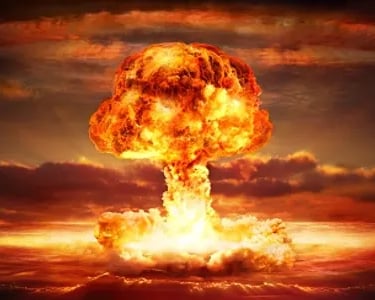
The prospect of nuclear war is one of the most terrifying threats humanity faces. With modern-day tensions, many people are considering how to prepare for such an unimaginable event. While nuclear war would cause widespread devastation, having a well-designed underground bunker can significantly improve your chances of survival. In this blog, we’ll explore the steps necessary to survive nuclear war with an underground bunker, from initial preparation to long-term living in a post-nuclear world.
Understanding the Threat of Nuclear War
Nuclear weapons are among the most destructive forces on Earth. A nuclear detonation produces several lethal effects:
1. Blast Wave: A shockwave that can obliterate buildings and structures within a certain radius, depending on the bomb’s size.
2. Thermal Radiation: Intense heat capable of causing severe burns, fires, and even blindness.
3. Nuclear Fallout: Radioactive particles that rise into the atmosphere and fall back to Earth, contaminating large areas and posing serious health risks due to radiation exposure.
4. Electromagnetic Pulse (EMP): A nuclear detonation at high altitude can create an EMP, which disables electronics and power grids over a vast area.
To survive the initial blast and protect yourself from the aftermath, an underground bunker provides one of the most reliable forms of protection.
1. Designing Your Underground Bunker for Maximum Protection
A bunker is more than just a hole in the ground—it must be designed with careful consideration to withstand the immediate effects of a nuclear detonation and ensure long-term survival.
Location Matters
The location of your bunker is crucial. It should be placed far enough away from major cities or military targets, which are the most likely locations for nuclear strikes. Rural or remote areas are often ideal locations for bunkers, as these are less likely to be hit directly.
Building Materials
Your bunker should be constructed from reinforced concrete or steel, materials that can withstand the immense pressure from a nuclear blast and offer some protection from radiation.
Depth of the Bunker
The deeper the bunker, the safer it is. Most experts recommend burying a bunker at least 10 feet underground to avoid fallout radiation and shield against the blast, however, only 36” of earth cover is needed to shield the harmful Gamma radiation. The deeper the bunker is, the more insulation you have against radiation, heat, and the effects of the blast.
Airtight Seals and Filtration Systems
A nuclear explosion will release hazardous radiation and toxic gases into the atmosphere, making breathable air a top priority. A high-quality air filtration system is essential. These systems filter out radioactive particles and other contaminants, providing clean air for everyone inside. Ensure your bunker is airtight and has multiple sealed entrances to prevent the infiltration of radiation and toxins.
EMP Protection
In the event of nuclear war, an EMP can knock out the power grid and disable electronics. To protect against this, your bunker should have Faraday cages to store sensitive electronics such as communication devices and power generators. Backup power systems, like solar or hand-crank generators, are also crucial to maintain energy without relying on external grids.
2. Stockpiling Essential Supplies
Your bunker must be equipped with enough supplies to last for weeks or even months, depending on the severity of the nuclear fallout. Here’s what you should include:
Food and Water
You should stock at least three months’ worth of non-perishable food. Freeze-dried meals, canned goods, and vacuum-sealed items are ideal for long-term storage. Also, ensure you have a reliable source of clean water. Either store water in large quantities or have a water filtration system capable of purifying contaminated water.
Medical Supplies
Include a fully stocked first-aid kit and plenty of prescription medications for anyone in your group. Consider radiation sickness treatments like potassium iodide pills, which help block the absorption of radioactive iodine by the thyroid gland.
Communication Tools
Reliable communication systems will be vital in the aftermath of a nuclear strike. Hand-crank radios, satellite phones, and shortwave radios can help you stay informed and connected when the outside world’s infrastructure is down.
Clothing and Personal Hygiene
Ensure that you have radiation suits or thick protective clothing that can reduce exposure to fallout if you need to leave the bunker. Stock up on personal hygiene products like soap, toothpaste, and sanitary items to maintain cleanliness in confined spaces.
3. Living in the Bunker After the Blast
Once inside the bunker, your survival depends on strict management of resources and following safety protocols.
Radiation Protection
After the initial blast, radiation levels outside will be extremely high due to the fallout. The most dangerous period is typically the first 48 hours, and it may take weeks or months for radiation to reach safe levels. During this time, stay inside the bunker. Use a Geiger counter to monitor radiation levels outside, and only venture out when it is absolutely safe to do so.
Managing Resources
Ration your supplies carefully. Food and water must be used efficiently to ensure that they last the duration of your stay. Rotate through your supplies regularly, consuming items that have a shorter shelf life first.
Physical and Mental Health
Living in a confined space for extended periods can take a toll on both physical and mental health. Ensure that your bunker has exercise equipment to help maintain physical fitness. In addition, stock entertainment like books, games, or movies to maintain mental well-being. Ensure everyone in the bunker has a role to play to keep busy and reduce anxiety.
4. Emerging from the Bunker
When radiation levels finally drop to safe levels, it may be time to leave the bunker, but you must proceed with caution.
Geiger Counter
Use a Geiger counter to check radiation levels before exiting. Ensure that levels are below 50 rem for short-term exposure or 5 rem for long-term exposure to avoid radiation poisoning.
Protective Gear
Wear protective gear to avoid any lingering contamination. Depending on the extent of the nuclear war, the environment outside may be drastically altered, with contaminated water sources, destroyed infrastructure, and dangerous wildlife. Proceed with extreme caution when exploring.
Long-Term Survival
Once outside, you will need to establish a new way of life in the post-nuclear world. This might involve hunting, foraging, and building a sustainable off-grid lifestyle. Be prepared to adapt quickly and find safe sources of food, water, and shelter.
Conclusion
Surviving a nuclear war is no small feat, but an underground bunker significantly increases your chances of making it through the worst. Proper planning, a well-built bunker, and a stockpile of supplies can help you and your loved ones weather the immediate aftermath of a nuclear attack. While we all hope such an event never occurs, being prepared is key to surviving the unthinkable. With careful attention to the details outlined above, your underground bunker can provide the safety and security needed to face even the most catastrophic event.
This blog outlines the critical steps in building, stocking, and living in an underground bunker to survive a nuclear war.
Saftey & Comfort
Emergency Building solutions With Comfort.
1-855-5BUNKER
(855)528-6537
© 2024. All rights reserved. USA BUNKER COMPANY 2025