The Benefits of an ICF-Built Home: Strength and Energy Efficiency
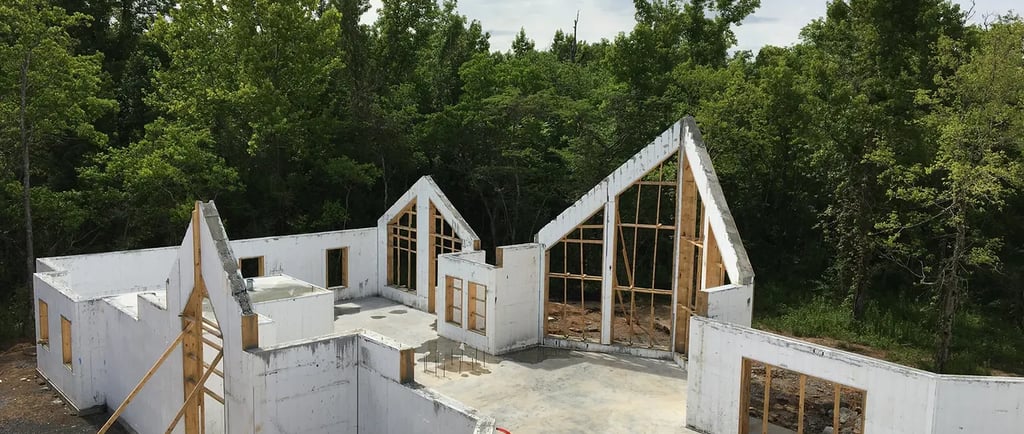
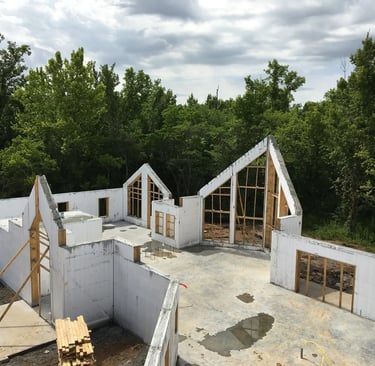
When it comes to building a home, homeowners are increasingly seeking options that provide durability, energy efficiency, and long-term savings. One such construction method that has been gaining popularity is the use of Insulated Concrete Forms (ICF). ICF homes are built using hollow foam blocks that are stacked together and filled with concrete, creating a solid, insulated wall. This method offers numerous benefits, particularly in terms of strength and energy efficiency, making ICF a smart choice for those looking to invest in a high-performance home.
What is ICF Construction?
Insulated Concrete Forms (ICF) are made of two layers of expanded polystyrene foam (EPS) that act as insulation, with a space in the middle for poured concrete. The blocks are stacked and reinforced with steel rebar before the concrete is poured into the center, creating a continuous, insulated concrete wall. Once the concrete cures, the foam blocks remain in place, providing both thermal insulation and soundproofing.
This method offers significant advantages over traditional wood-frame construction, especially in areas prone to extreme weather or for homeowners looking to maximize energy efficiency.
Strength and Durability of ICF Homes
1. Resilience Against Natural Disasters
One of the primary reasons homeowners and builders choose ICF construction is for its superior strength and resilience. Unlike wood or steel frame homes, which can be vulnerable to high winds, flooding, or earthquakes, ICF homes are designed to withstand extreme conditions.
• Hurricane and Tornado Resistance: ICF homes are extremely resistant to high winds and flying debris, making them ideal for areas prone to hurricanes and tornadoes. The concrete core of an ICF wall can withstand winds of up to 200 mph, far surpassing the strength of traditional wood-frame structures.
• Earthquake Resilience: The reinforced concrete core provides exceptional structural integrity, allowing ICF homes to absorb and distribute the energy from seismic activity more effectively than traditional buildings. This flexibility reduces the likelihood of cracks and damage during earthquakes.
• Fire Resistance: The concrete core and foam insulation in ICF walls offer excellent fire resistance. ICF walls can withstand fire for up to 4 hours, providing crucial time for evacuation and reducing the overall damage in the event of a fire.
2. Long-Term Durability
ICF homes are built to last. The reinforced concrete is highly durable and resistant to the wear and tear that can affect traditional construction materials. ICF walls are impervious to moisture, mold, and rot, which can extend the lifespan of the home and reduce maintenance costs over time. This long-lasting construction method ensures that an ICF home will retain its structural integrity for decades.
Energy Efficiency of ICF Homes
Another key benefit of ICF construction is its outstanding energy efficiency. As energy costs continue to rise and environmental concerns become more pressing, homeowners are looking for ways to reduce their energy consumption and lower utility bills. ICF homes deliver on both fronts.
1. Superior Insulation
One of the most significant advantages of ICF construction is its excellent thermal performance. The foam insulation that remains in place on both sides of the concrete core provides a continuous thermal barrier, significantly reducing heat transfer. This high level of insulation means that ICF homes maintain a more consistent indoor temperature, keeping your home cooler in the summer and warmer in the winter.
• R-Value Performance: The R-value of a material refers to its ability to resist heat flow. ICF walls typically offer an R-value of R-20 to R-30, depending on the thickness of the foam insulation. This far exceeds the R-values of traditional wood-frame walls, which usually range from R-13 to R-19.
• Thermal Mass Effect: In addition to high insulation values, the concrete core of ICF walls acts as a thermal mass, absorbing and storing heat during the day and slowly releasing it during cooler nights. This effect helps to reduce the need for heating and cooling, leading to significant energy savings.
2. Reduced Energy Consumption
Because ICF homes are so well-insulated, they require less energy to heat and cool compared to traditional homes. This results in lower utility bills and a reduced carbon footprint. According to the U.S. Department of Energy, ICF homes can reduce heating and cooling costs by up to 50% compared to wood-frame homes. Over the life of the home, these savings can be substantial, making ICF a cost-effective choice in the long term.
3. Air Tightness
ICF construction also improves the airtightness of a home. Unlike wood-frame homes, which can develop air leaks around doors, windows, and framing joints, the continuous structure of an ICF wall minimizes air infiltration. This reduces drafts and prevents the loss of conditioned air, further improving energy efficiency.
4. Lower HVAC Requirements
Because ICF homes are so energy efficient, they require smaller heating and cooling systems to maintain comfortable indoor temperatures. This can reduce the initial cost of HVAC equipment and lower long-term maintenance expenses. Additionally, smaller systems consume less energy, which further contributes to overall energy savings.
Additional Benefits of ICF Homes
Beyond strength and energy efficiency, ICF homes offer several additional advantages:
• Soundproofing: The thick, insulated walls of an ICF home provide excellent soundproofing, creating a quieter indoor environment. This can be particularly beneficial for homes in noisy urban areas or near busy roads.
• Environmental Benefits: ICF construction is environmentally friendly. The reduced energy consumption of ICF homes lowers greenhouse gas emissions, and the concrete used in ICF walls is made from abundant, recyclable materials. Additionally, the foam insulation is often made from recycled materials, further reducing the environmental impact.
• Increased Home Value: Homes built with ICF often have a higher resale value due to their durability, energy efficiency, and low maintenance requirements. Prospective buyers are increasingly looking for homes that offer long-term savings and resilience against natural disasters, making ICF homes a valuable investment.
Conclusion
Building a home with Insulated Concrete Forms (ICF) offers unmatched benefits in terms of strength and energy efficiency. The durability of ICF homes makes them highly resistant to natural disasters, fire, and long-term wear, while their superior insulation and airtightness lead to significant energy savings. As homeowners continue to prioritize sustainability, cost-effectiveness, and resilience, ICF construction stands out as a smart, future-proof option for creating high-performance homes that stand the test of time.
This blog highlights how ICF homes excel in strength and energy efficiency, making them an excellent choice for homeowners looking for a durable, eco-friendly, and cost-saving building option.
Saftey & Comfort
Emergency Building solutions With Comfort.
1-855-5BUNKER
(855)528-6537
© 2024. All rights reserved. USA BUNKER COMPANY 2025